When Friendship Happened Naturally
There was a time in my life when friendship seemed to happen almost without trying.
Back then, I don’t remember ever sitting down and thinking. “I really need to make some new friends.” They simply appeared as we went about living our lives.
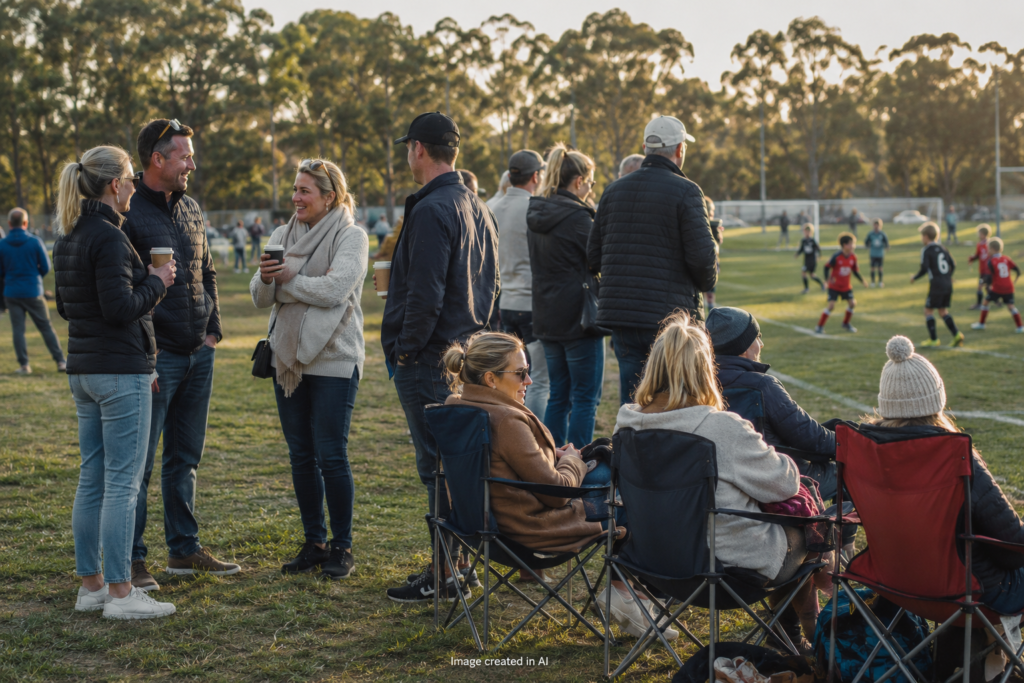
There were the friends we met at school. We would laugh with them in the playground and somehow end up knowing for years. Later came work friends. Those people who understood exactly why you’d hidden in the stationery cupboard for five minutes just to enjoy your lunch in peace. Neighbours we’d chat to over the fence while pretending we were only putting the bins out. Then there were the parents we’d stand beside every Saturday morning, coffee in one hand and a folding chair in the other, cheering on children who mostly seemed interested in chasing butterflies rather than the football.
Even the smallest everyday moments seemed to create the beginning of a friendship. We’d strike up a conversation while waiting in a queue, sitting beside someone at a community event or attending a local class. Before long we’d be saying, “We should catch up for a coffee sometime,” and quite often, we actually did.
At the time, it all felt wonderfully ordinary.
Looking back, I realise it was actually something rather special.
Life Brought Us Together
I don’t think I fully appreciated just how easy friendship was during those years.
Life kept placing the same people in front of me again and again. School drop-offs, workplaces, sporting clubs, neighbourhoods and community groups quietly created opportunities to connect without any real effort on my part.
I didn’t have to remember to send a message or wonder when we’d next catch up because I already knew. I’d see them at work on Monday, at football training on Wednesday or standing beside me on the sidelines again next Saturday, coffee in hand, wondering whether the referee had left their glasses at home.
Those repeated moments mattered more than I realised.
Friendship wasn’t something I had to organise—it simply became part of everyday life.
Looking back now, I don’t think I was better at making friends then than I am today.
I simply had more opportunities to see the same people, again and again, allowing friendship to grow almost without either of us noticing.
It was as though friendship had a habit of finding me before I ever had to go looking for it.
When Friendship Quietly Changes
Some friendships stayed with us for decades. They’re the people who know our embarrassing stories, remember our questionable hairstyles from the eighties and still answer the phone even after we’ve accidentally butt-dialled them three times in one afternoon.
Other friendships quietly slipped away.
I still think about a woman I worked with years ago. We laughed every day. Celebrated birthdays together, covered for each other when one of us was running late and promised we’d stay in touch after she left. We meant every word of it. Yet somewhere between new jobs, family commitments and life ticking along, the months quietly turned into years. Nothing happened. There was no argument. We simply kept missing each other until one day I realised we hadn’t spoken for a very long time.
Not because anyone argued.
Not because somebody did something terrible.
Life simply had a habit of taking us in very different directions.
Why Everything Starts to Look Different
A little while ago, I was reading about friendship and ageing when I came across the work of psychologist Laura Carstensen. I have to admit, the name of the theory she developed—Socioemotional Selectivity Theory—sounds like something you’d expect to find in a university textbook rather than on your bedside table. But once I understood what it meant, I found myself nodding all the way through.
The idea is surprisingly simple.
As we grow older, we naturally become much more selective about where we invest our time, our energy and, perhaps most importantly, our hearts.
For years, I quietly assumed my friendship circle was getting smaller because I wasn’t trying hard enough. Maybe I’d become too busy. Maybe I should have been making more of an effort to stay in touch. Then I discovered the research suggested something completely different.
Perhaps I wasn’t failing at friendship at all.
Perhaps I was simply becoming more intentional about it.
When we’re younger, life almost encourages us to collect people. We build careers, raise families, join sporting clubs, meet neighbours and say yes to almost every opportunity that comes our way. Friendship grows because our lives naturally overlap.
As we get older, something quietly changes.
We stop worrying about how many people know our name and start caring much more about who truly knows us. A long conversation with one good friend becomes far more valuable than making polite small talk with twenty acquaintances.
Research suggests that this is a perfectly natural part of ageing. We aren’t necessarily losing friendships because we’re becoming less social.
Often, we’re simply choosing to invest more deeply in the people who matter most.
Quality Begins to Matter More
And if I’m honest, I think there’s something wonderfully liberating about that.
When I think back to the friendships I had in my twenties and thirties, I realise many of them were built around the season of life I happened to be in.
There were the parents we saw at school pickup, we would get there early only to complain about the early starts and somehow spend hours together without ever making a formal plan to catch up. There were work friends too—the people who understood the office jokes, shared lunch breaks and made an ordinary Tuesday much more enjoyable.
Those friendships were real, and many of them were wonderful. But looking back, I think they were often held together by circumstance as much as choice. We saw each other because life naturally kept bringing us together.
These days it feels very different.
If I want to spend time with someone, I pick up the phone, send a message or put a date in the diary. We make the effort because we genuinely want to see each other, not because we happen to be standing beside the same event or sharing the same office.
And if I’m honest, I quite like it that way.
Life Doesn’t Stand Still
As I kept reading about friendship, I realised there was another reason making and keeping friends can feel so much more complicated as we get older.
It’s not because we’ve forgotten how.
It’s because life becomes… well… life.
When we’re younger, many of us are travelling in roughly the same direction. We begin careers, build relationships, raise children and celebrate similar milestones. Our lives naturally overlap, giving friendship plenty of room to grow.
Then adulthood quietly changes the map.
One friend moves interstate. Another becomes the full-time carer for an ageing parent. Someone else retires, while another is working longer than ever. Add health challenges, financial pressures, family responsibilities and the inevitable grief that touches all of our lives, and it’s hardly surprising that friendship sometimes slips a little further down the list.
Not because it matters less.
Quite the opposite.
Sometimes we’re simply doing our best to keep all the balls in the air. On some days we’re doing well to remember why we walked into the kitchen, let alone organise lunch three weeks from next Thursday.
When you stop and think about it, it makes perfect sense. As our routines change, our friendships often change with them—not because people stop caring, but because life rearranges our time, energy and priorities.
Somewhere along the way I realised I wasn’t looking for more friendships.
I was looking for the kind where we both chose to make the effort.
Those friendships might be fewer, but somehow they feel richer.
Not Every Friendship Needs a Villain
I remember a friend I was incredibly close to many years ago.
Our children were about the same age, and for a while we spoke almost every day. We’d stand together on the sidelines at weekend sport, catch up over coffee while the kids were at school and laugh about things that probably weren’t funny to anyone else.
Then life quietly changed.
The children grew up.
Weekend sport finished.
She started a new job. I became busy with other commitments.
For a while we’d exchange Christmas cards with a little note inside promising we’d catch up “very soon.” Then the cards stopped arriving too.
Nothing happened.
There was no disagreement.
No falling out.
No hurt feelings.
Life simply stopped placing us in each other’s path.
And every now and then I still wonder how she’s doing.
The Friendship Illusion
Can I tell you something else tht I’ve noticed?
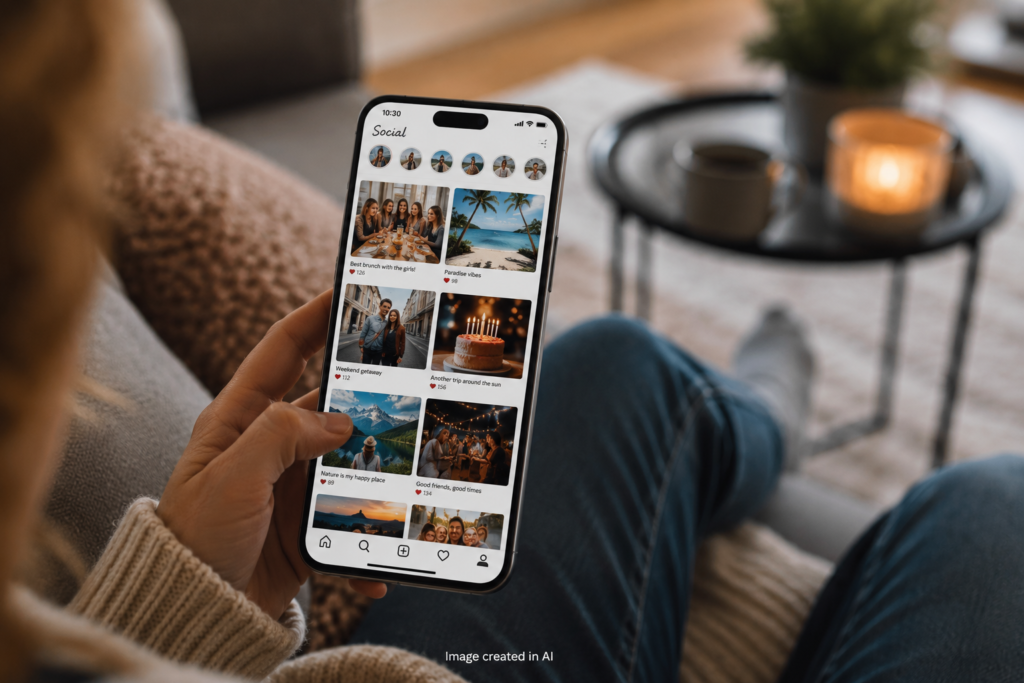
I think social media has quietly changed the way we think about friendship.
It isn’t because the photos are fake. Most of them probably aren’t. The lunch happened. The holiday happened. The birthday celebration happened.
What we don’t see is everything in between.
We don’t see the cancelled coffee because someone was looking after an ageing parent. We don’t see the unanswered text because work became overwhelming.
They don’t post about last Friday night they spent at home wondering why their phone hadn’t rung.
Instead, we scroll through smiling faces, group holidays and restaurant dinners until it quietly feels as though everyone else belongs to some magical friendship club that forgot to send us the invitation.
I’ve caught myself doing it.
One minute I’m perfectly content enjoying a quiet afternoon with a cup of coffee. Five minutes on social media later, I’m wondering whether everyone else has more friends, more invitations and a far more exciting social life than I do.
The funny thing is, thousands of other people are probably looking at those very same photos and wondering exactly the same thing.
How often do we underestimate how much other people like us while overestimating how connected everyone else is.
Perhaps the biggest comparison trap isn’t comparing our lives with someone else’s.
It’s comparing our ordinary Tuesday afternoon with someone else’s highlight reel.
That’s never a fair comparison.
The truth is, there are far more people looking for genuine friendship than we probably realise. Sometimes all it takes is one person to make the first move.
It’s Never Too Late for Friendship
If there’s one thing I hope you take away from all of this, it’s this.
If you’ve been feeling lonely lately, or you’ve found yourself wishing your friendship circle looked a little different, please don’t let your mind convince you that there’s something wrong with you.
There isn’t.
Feeling lonely doesn’t mean you’ve failed at friendship, and it certainly doesn’t mean you’ve left it too late. It simply means you’re human. Every one of us longs to feel known, understood and connected, whether we’re eighteen or eighty-eight.
The beautiful thing about friendship is that it doesn’t come with an expiry date.
In fact, I think some of the richest friendships are the ones we build later in life. By then we’ve usually stopped trying so hard to impress everyone. We care a little less about fitting in and a lot more about being ourselves. Perhaps that’s one of the greatest gifts of getting older.
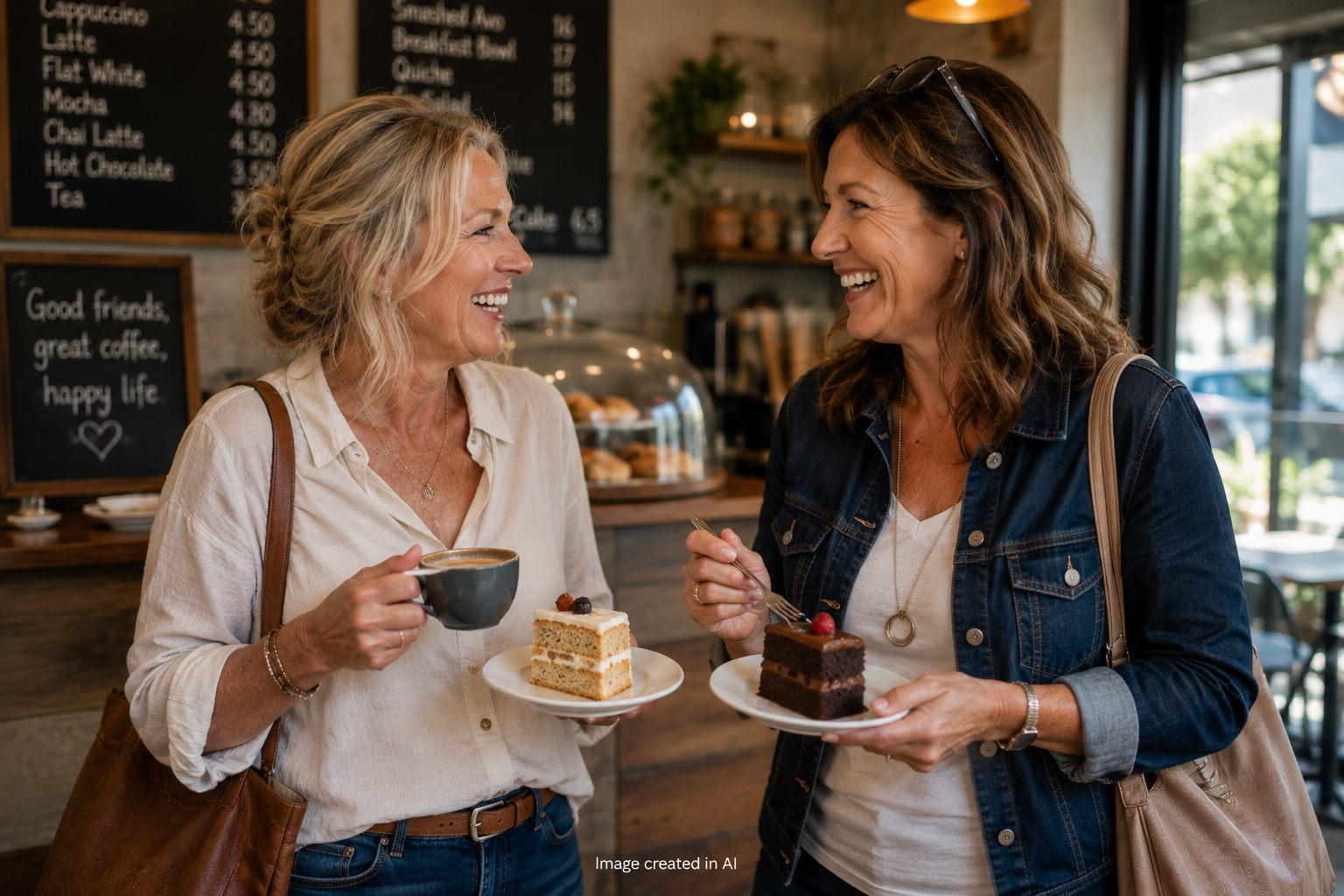
Last month I was sitting in a café when the lady beside me commented on the cake we’d both been eyeing off.
We chatted for ten minutes, laughed a little and, as she was leaving, she smiled and said, “Maybe we’ll bump into each other again.”
Ten years ago I probably would have smiled, wished her well and left it there.
Instead, I heard myself say, “Or we could just organise another coffee.”
Sometimes friendship doesn’t arrive in extraordinary ways.
Sometimes it begins with an ordinary conversation… and one person being brave enough to take the next step.